Picnics by Lake District Tarns, Without a Trace

Join us by the mirror-still waters of Blea Tarn, Angle Tarn, and beyond as we explore Leave No Trace picnicking by Lake District tarns, sharing clear etiquette and conservation tips that keep shores unspoiled, wildlife calm, and paths resilient. Expect practical packing advice, respectful behavior guidance, and invitations to share your own responsible picnic wins.

Plan Smart, Pack Light, Protect the Fells
Choose Your Tarn and Timing Wisely
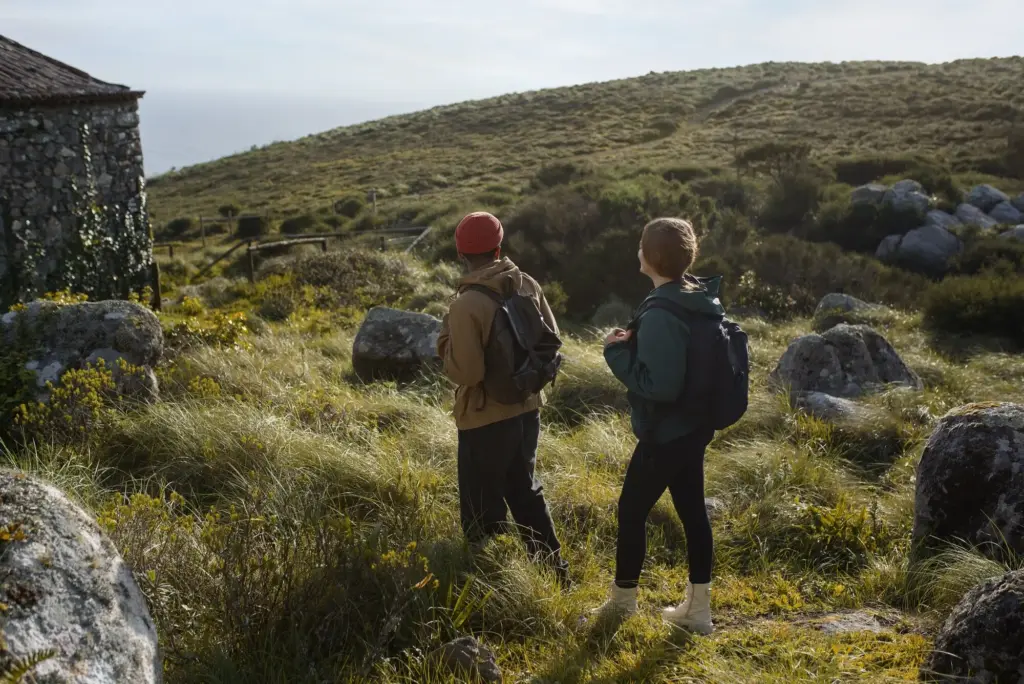
Popular spots like Tarn Hows and Stickle Tarn can feel overwhelmed at midday in summer. Aim for early mornings or late afternoons, or pick quieter waters such as Alcock Tarn, to spread pressure. Cloudy days and shoulder seasons often offer solitude, softer light, and gentler footfall.

Build a Low‑Waste Picnic Kit

Swap single-use plastics for sturdy boxes, beeswax wraps, cloth napkins, and refillable bottles. Pre-cut fruit, de-stem grapes, and remove stickers at home to prevent stray scraps. Include a small rubbish bag, a spare for micro-litter, and lightweight gloves for hygienic, cheerful cleanups.

Travel and Park with Care

Start on established paths, resist shortcuts across wet ground, and use official car parks or public transport where possible. Car-share with friends, and keep boots clean to reduce invasive seeds. Small logistical choices reduce trail braiding, verge damage, and parking stress in tiny valleys.

Tread Lightly Around Fragile Shores

Vegetation surrounding tarns is easily scuffed, and shallow margins host amphibians, aquatic plants, and nesting insects. Sit on rock, gravel, or dry grass where resilient, and move blankets regularly. Keep at least several paces back from water’s edge to protect reeds, sedges, and delicate invertebrate nurseries.

Zero-Trace Waste: Pack Out Every Crumb

A Simple Pack‑Out System That Works

Line a sealable pouch with a compostable bag for food scraps, and carry a separate dry bag for recyclables and general waste. Bring a tiny brush to sweep crumbs. Back at home, sort carefully, wash containers, and celebrate leaving the place visibly cleaner than found.

Defeat Micro‑Litter Before It Escapes
Remove produce stickers, tear open snack packs at home, and decant crisps or nuts into rigid tubs that resist gusts. Choose crumb-minimizing breads and slice cakes rather than flaking pastries. Before leaving, scan the ground at knee height; small plastics hide where eyes glaze.

Emergency Needs, Toilets, and Water

Plan toilet stops at trailheads or towns, but carry a small kit for surprises: tissues, sealable bags, hand gel, and a trowel where burying is appropriate and far from water. In the Lakes, always keep human waste and dogs well away from tarns.

Wildlife, Livestock, and Dogs: Peaceful Coexistence

Sheep graze many shorelines, ground‑nesting birds shelter in surrounding heather, and fish hunt near inlets. Give animals space, keep food secure, and let natural behaviors continue undisturbed. When in doubt, step back, lower voices, and admire quietly; respect now creates richer encounters later for everyone.

Ground‑Nesting Birds Deserve Distance

From March to July, curlews, skylarks, and other birds nest on open fell and meadow. Stay on paths, leash dogs, and avoid sitting among tussocks where camouflaged eggs rest. If a bird alarm-calls or feigns injury, you are too close; retreat calmly, giving them peace.

Please Don’t Feed the Wildlife

Bread bloats ducks, snacks teach boldness, and even crumbs alter behavior. Sealed containers and swift cleanups keep beaks out of your basket. Let observations, sketches, and photos be your gifts instead; wild creatures stay healthiest when our kindness looks like restraint and distance.

Dog Control, Leads, and Livestock

In lambing season or near cattle, keep dogs on short leads and give herds a wide berth; if threatened, release the lead to protect yourself. Around tarns, prevent chasing birds or paddling through reedbeds. Bags and bins for dog waste belong in your kit.

Music, Drones, and Visual Clutter

Portable speakers and buzzing drones shatter tranquility and disturb wildlife. Share songs through headphones, skip flights near water or crowds, and check regulations before launching anything. Keep setups minimal; bright blankets, heaps of packaging, and novelty inflatables change the mood for everyone along a delicate shore.

Group Size and Space‑Sharing

Large gatherings amplify footprints and noise. Split into smaller groups, stagger arrival times, and let children roam within sight but away from vegetation edges. Rotate prime spots every so often so newcomers can enjoy them briefly too; generosity turns good days into golden memories.

Photography, Privacy, and Pathways

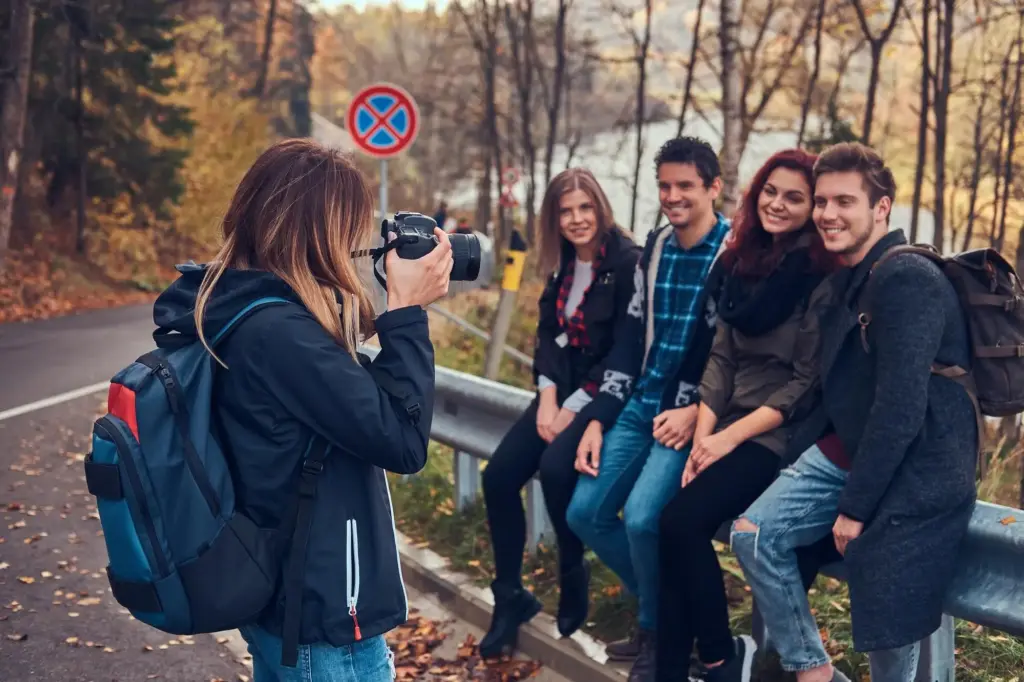
Ask before photographing strangers, avoid blocking routes while composing shots, and step gently to the side on firm surfaces when letting others pass. Sunrise crowds can queue for reflections; a few courteous gestures keep lines moving, tempers cool, and the water’s mirrored magic intact.

Cooking, Heat, and Water Safety

Open fires, disposable barbecues, and embers threaten peat, bracken, and ancient woodland. Cook sparingly with a stable stove, away from reedbeds and flammable duff. Keep fuel minimal, water close, and senses sharp for sudden squalls that whip flames, tip pans, or chill swimmers quickly.

Why No Fires or Barbecues

Peat can smolder underground, reigniting hours later, while disposable trays scorch grass and leave wire racks. Many areas discourage or ban open flames on the fells. If warmth is needed, wear layers, sip tea from a flask, and let landscapes remain unscarred, sweet-smelling, and safe.

Stove Setup and Wind‑Wise Cooking

Choose a sheltered nook on rock, anchor fuel canisters, and keep pots low. Use lids to speed cooking, cutting fuel use and exposure. Never cook in tents, and keep children and pets outside the kitchen zone. If gusts rise, pause, pack down, and eat cold.